
In 1980, a boy digging along the Columbia River uncovered $5,800 in rotting $20 bills. The serial numbers matched money a hijacker had taken before jumping from a passenger plane nearly nine years earlier.
The money had resurfaced. The man never did.
Table of Contents
In New Hampshire, a nursing student crashed her car on a snowy road. A passing driver saw her at the scene. By the time police arrived, she had vanished.
And in the Atlantic, sailors discovered a ship drifting without a single person aboard. Its cargo remained. Its lifeboat was gone.
Each disappearance left something behind: money, a car, a seaworthy ship. Evidence that offered investigators a place to start, but never told them the whole story.
These 15 mysterious disappearances aren’t unsettling because they left no clues. They’re unsettling because of the clues they left behind.

What Makes a Disappearance Truly Mysterious?
Not every unsolved disappearance is inexplicable. Sometimes the most likely explanation is an accident, a crime, or someone deliberately leaving their old life behind.
What makes these cases so fascinating is the evidence left behind. An untouched fortune, an abandoned vehicle, a strange final message, or personal belongings that offer clues but no definitive answers.
Who Vanished in Plain Sight, With Witnesses All Around?
Disappearing in a remote wilderness is one thing. Vanishing during an ordinary day in a busy city is another.
These five people vanished from ordinary places where others were nearby: a theater office, a shopping district, a Hollywood neighborhood, an apartment, and a busy college bar. Yet none left a confirmed trail explaining where they went next.
1. Ambrose Small: The Millionaire Who Left His Fortune Behind
On December 1, 1919, Canadian theater owner Ambrose Small sold his entertainment empire for approximately $1.7 million. The next day, he vanished.
Small had spent years building a successful chain of theaters across Ontario. The sale was the biggest deal of his career, and he had already received a substantial initial payment.
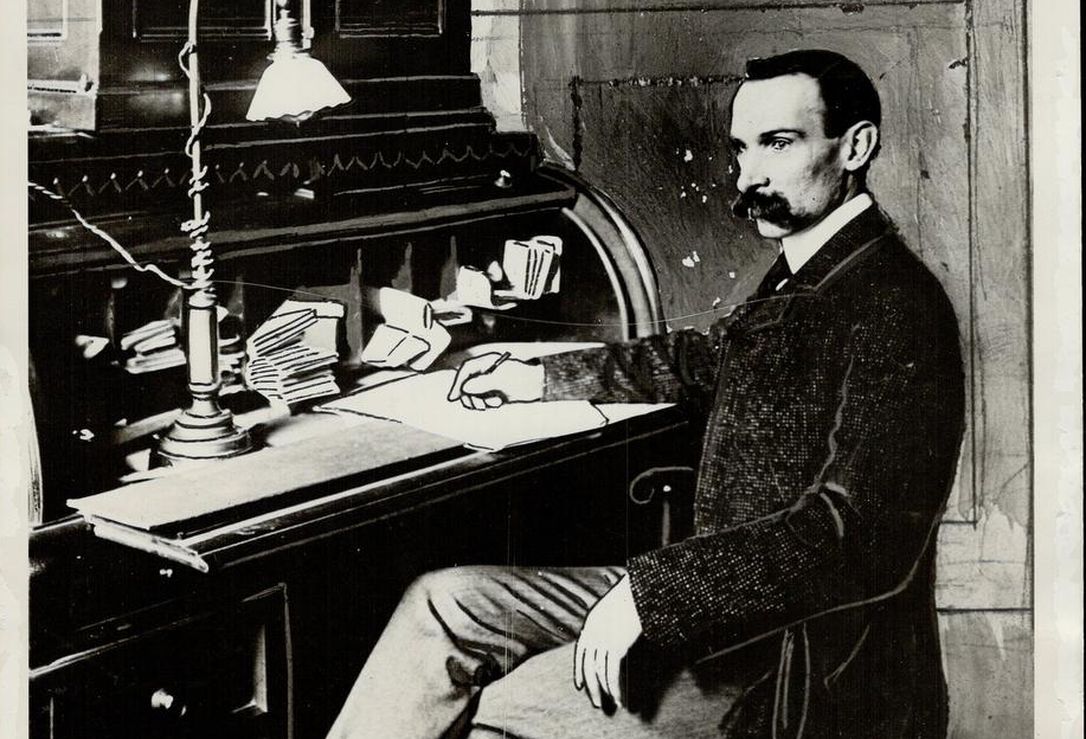
On December 2, he met with his lawyer at Toronto’s Grand Opera House. He was last reliably seen that afternoon.
He never came home.
At first, investigators had little to go on. Then they discovered that Small’s secretary, John Doughty, had also disappeared. And so had a substantial amount of Small’s securities.
Doughty was eventually located, arrested, and convicted of stealing the securities. But that only solved the theft. Investigators could never establish whether he had anything to do with Small’s disappearance.
The case became a national sensation. Had Small been murdered? Had he arranged to disappear? Or did someone close to him know more than they were saying?
Despite the investigation, no theory was ever proven.
What makes this case so unusual is the money. Small had just secured a fortune that could have supported him for the rest of his life. Yet he disappeared without making any confirmed use of it.
His secretary was found. The stolen securities were accounted for through a criminal case. But the millionaire himself was never found.
2. Dorothy Arnold: The Heiress Who Disappeared While Shopping
On December 12, 1910, a wealthy young New Yorker left home for an afternoon of shopping on Fifth Avenue.
She purchased chocolates, bought a book, and spoke with a friend.
Then she was never reliably seen again.

Dorothy Arnold was 25 years old and lived with her prominent family in Manhattan. She had literary ambitions and was known to move through the city’s fashionable shopping districts.
That afternoon, she visited Park & Tilford, a well-known confectionery shop, before stopping at Brentano’s bookstore. She also encountered a friend and reportedly mentioned walking through Central Park.
Their goodbye was the last confirmed sighting.
Arnold never returned home.
What happened next may have made an already difficult mystery almost impossible to solve.
Her family initially chose not to report her disappearance publicly. Concerned about scandal and unwanted attention, they employed private investigators while keeping the matter quiet.
By the time the disappearance became public, approximately six weeks had passed. Any evidence from Arnold’s final afternoon was now considerably harder to recover.
She had been seen in one of America’s busiest shopping districts, going about an ordinary day. But after that final goodbye, no confirmed trace of her emerged.
3. Jean Spangler: The Actress Who Vanished and Left Behind a Mysterious Note
On October 9, 1949, someone found a woman’s handbag near the Fern Dell entrance to Griffith Park in Los Angeles. The handles were damaged. Inside was an unfinished handwritten note mentioning two names: Kirk and Dr. Scott.
The purse belonged to Jean Spangler, a 26-year-old Hollywood actress and mother who had disappeared two days earlier. On October 7, Spangler left home after reportedly telling relatives she planned to meet her former husband about child support and later work on a film.
She never returned.
The discovery of her purse gave investigators their first major clue. But instead of explaining where Spangler had gone, the note raised even more questions.
Addressed to someone named Kirk, it indicated that Spangler could wait no longer and planned to see Dr. Scott. Its final words suggested that whatever she intended to do would work best while her mother was away.
Then the message stopped.
Who was Kirk? Who was Dr. Scott? And what was Spangler planning that she didn’t want her mother to know about?
Investigators pursued both names but never established their significance. The damaged purse also raised concerns about a possible struggle, although no evidence confirmed how the handles had been torn.
Spangler’s Hollywood connections brought national attention to the disappearance, but the publicity produced no definitive answers.
Watch: The Mysterious Disappearance of Jean Spangler
Jean Spangler’s case has fascinated investigators and true-crime researchers for decades. Her damaged purse, unfinished note, and sudden disappearance in Los Angeles left behind just enough evidence to raise questions—but not enough to explain what happened.
The video below takes a closer look at the clues and enduring mystery surrounding her disappearance.
The most unsettling part is that Spangler may have left behind a clue to her final plans. Investigators had the note in their hands, yet they couldn’t identify the people it mentioned or determine whether she ever reached her intended destination.
More than 75 years later, no one has established what happened to Jean Spangler after she left home that October evening.
4. Barbara Newhall Follett: The Young Writer Who Walked Away and Never Returned
Barbara Newhall Follett published her first novel when she was just 12 years old. By age 25, she had disappeared so completely that her whereabouts remain unknown.
Follett was an extraordinary child writer. Her novel The House Without Windows received attention for its imaginative language and remarkable maturity.
But her adult life was more difficult. By 1939, she was living in Brookline, Massachusetts, with her husband, Nickerson Rogers. Their marriage had become strained.
On December 7, following an argument, Follett left their apartment.
According to accounts of the disappearance, she left with approximately $30 and some shorthand notes from her work. She never returned.
Her husband did not report her missing immediately. About two weeks passed before police were notified, and the case initially received little publicity.
Another detail complicated efforts to connect the missing woman with the formerly famous child author. Police records used her married name, Barbara Rogers.
Watch: The Disappearance of Child Prodigy Barbara Newhall Follett
Barbara Newhall Follett published her first novel at just 12 years old. By 25, she had vanished, and her disappearance remained largely unknown to many who remembered her remarkable childhood career.
The video below explores the life of this gifted young writer and the mystery surrounding her disappearance.
The circumstances have inspired competing theories, from a deliberate disappearance to an accident or possible crime. But no confirmed evidence establishes where Follett went after leaving the apartment.
Perhaps the most surprising detail is how long her disappearance remained relatively obscure. A writer who had attracted national attention as a child vanished as a young adult, yet the public didn’t widely connect the missing Barbara Rogers with Barbara Newhall Follett until decades later.
A writer who had captured national attention as a child disappeared at 25, and for decades, even the public connection to her earlier fame was largely lost.
5. Brian Shaffer: The Medical Student Who Vanished After a Night at a Bar
In the early morning hours of April 1, 2006, Ohio State University medical student Brian Shaffer was out with friends for a fun night in Columbus, Ohio. At approximately 1:55 a.m., he was last seen at a bar near campus. He disappeared, and investigators could not establish where he went.

Shaffer was 27 years old and studying medicine when he visited the Ugly Tuna Saloona with friends. The establishment was busy, and surveillance cameras recorded activity near its entrance.
Footage associated with the case became one of its most discussed details. Shaffer was seen near the bar’s entrance before moving out of the camera’s view.
But when investigators reviewed the available recordings, they did not find a confirmed image showing him leaving the establishment. The footage created an extraordinary question: how could someone vanish from such a busy place without being recorded leaving?
Investigators couldn’t establish Shaffer’s movements after the final known contact. However, the cameras did not necessarily cover every exit, so the absence of footage doesn’t prove he never left the building.
Despite years of searches and investigative leads, authorities have been unable to establish whether Shaffer left voluntarily, suffered an accident, or encountered someone else.
The surveillance footage remains an extraordinary part of the case. It documents Shaffer near the bar shortly before his disappearance, but provides no confirmed account of where he went afterward.
How Does an Airplane Disappear Without a Trace?
A flight plan, a radio transmission, or a known destination should give investigators somewhere to begin. But in these four cases, even those clues weren’t enough to establish what happened.
6. Amelia Earhart: The Search That Ruled Out Another Clue in 2026
In October 2026, researchers reached a remote Pacific island to investigate an object that appeared to resemble aircraft wreckage.
For years, it had been considered a possible clue to Amelia Earhart’s disappearance. But when the expedition examined it, the object was not her missing plane.

Earhart and her navigator, Fred Noonan, disappeared on July 2, 1937, while attempting to fly around the world. Their planned destination was Howland Island, a tiny speck of land in the central Pacific. They never arrived.
Radio communications indicated that Earhart was having difficulty locating the island. Despite an extensive search, neither the aviators nor their Lockheed Electra aircraft was found.
One leading explanation is that the plane ran out of fuel near Howland and sank.
Another theory holds that Earhart and Noonan reached Nikumaroro, a remote coral atoll approximately 400 miles away, and survived for a time as castaways.
That second possibility led researchers to investigate an unusual feature in Nikumaroro’s lagoon.
Known as the Taraia Object, the anomaly was visible in aerial and satellite imagery. Some believed it might be wreckage from Earhart’s aircraft.
In October 2026, a Purdue-supported expedition finally examined the Taraia Object and discovered that the anomaly was most likely a collection of large trees and natural debris. The reflective coating that had made it appear metallic came from coral-derived material.
According to Purdue University’s expedition report, researchers also recovered several other objects, including a steel tube approximately 30 inches long that requires further study. The expedition ruled out one promising lead but did not disprove the broader theory that Earhart and Noonan might have reached Nikumaroro.
Nearly 90 years after they disappeared, investigators have eliminated another possibility. But the location of Earhart’s Lockheed Electra remains a mystery.
7. Andrew Carnegie Whitfield: The 15-Minute Flight That Never Landed
On April 17, 1938, Andrew Carnegie Whitfield took off from Roosevelt Field on Long Island in a small Taylor Cub airplane. He intended to land approximately 22 miles away. The flight should have taken about 15 minutes. He never arrived.
Whitfield, a 28-year-old businessman and experienced recreational pilot, reportedly had enough fuel for a flight far longer than the short trip he planned. When he failed to reach his destination, searches began. But neither the aircraft nor its pilot was recovered.
Then investigators discovered a detail that seemed almost impossible to reconcile with an ordinary aviation accident.
Whitfield had rented a room at a hotel in Garden City under the name Albert C. White. Inside the room were personal possessions and important documents, including his passport, clothing, cuff links, life insurance policies, and securities.

Why would a pilot leave these belongings in a hotel under an assumed name on the same day his aircraft disappeared?
Investigators also received a report of a telephone conversation that suggested Whitfield might have had a plan. The conversation, however, was reported by an operator and did not establish his intentions.
Some investigators believed Whitfield might have deliberately flown out over the Atlantic Ocean, possibly intending never to return. But no confirmed wreckage was recovered, and no conclusive evidence established what happened.
Whitfield was declared legally dead in 1946.
The hotel room remains the most puzzling clue. Its contents suggest Whitfield may have made arrangements that had nothing to do with an ordinary afternoon flight.
But investigators never established what those arrangements meant—or whether they explained his disappearance.
8. Frederick Valentich: The Pilot’s Baffling Final Radio Call
On October 21, 1978, 20-year-old Australian pilot Frederick Valentich was flying a small Cessna 182 over Bass Strait toward King Island.
Then he radioed air traffic services with a strange report. He believed another aircraft was flying near him.
Valentich described unusual lights and movements, but the air traffic controller couldn’t identify another aircraft in the area. As the conversation continued, Valentich reported that his engine was running roughly.

Then his description became even more unsettling. He told the controller that whatever was near him wasn’t an aircraft.
Shortly afterward, the radio transmission ended.
Valentich never reached King Island. Despite searches, neither he nor his plane was recovered.
The conversation sparked decades of UFO speculation. Some believed the young pilot had encountered something extraordinary. But there is no verified evidence that an extraterrestrial craft was involved.
Investigators also considered more conventional explanations. Valentich may have become disoriented over the dark water, mistaken lights or reflections for another aircraft, or experienced a mechanical problem.
Without the wreckage, none of those possibilities can be confirmed.
What makes this disappearance so haunting is that investigators had a record of Valentich’s final conversation. They knew what he said he was seeing, but they couldn’t determine what was actually happening outside his cockpit.
And when the radio went silent, the only person who might have explained it was gone.
Curious about the facts behind other UFO legends? Explore 13 Area 51 facts that sound made up but are actually true.
9. D.B. Cooper: The Hijacker Who Jumped Into the Night With $200,000
On November 24, 1971, a man calling himself Dan Cooper boarded Northwest Orient Airlines Flight 305 in Portland, Oregon.
He looked like an ordinary business traveler. Then he informed a flight attendant that he had a bomb.
Cooper demanded four parachutes and $200,000 in cash.
When the plane reached Seattle, authorities provided the money and parachutes in exchange for the passengers. The aircraft took off again with several crew members still aboard.
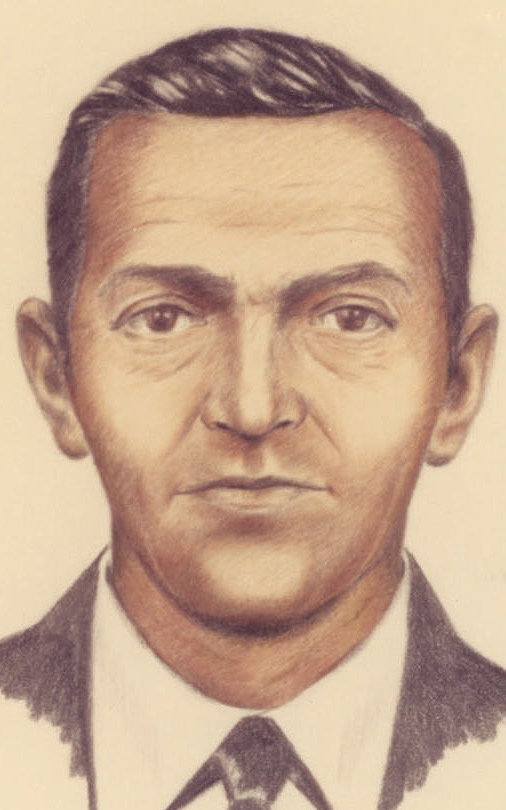
Shortly after 8 p.m., Cooper lowered the plane’s rear stairs and parachuted into the darkness over the Pacific Northwest. He has never been identified or found.
The FBI launched an enormous investigation. According to its official case history, agents had considered more than 800 suspects within five years.
The Clue That Still Doesn’t Add Up
For more than eight years, D.B. Cooper and the $200,000 he stole had seemingly vanished without a trace.
Then, in February 1980, a young boy digging along the Columbia River uncovered three deteriorating bundles of $20 bills buried in the sand. The total was $5,800.
The serial numbers matched Cooper’s ransom money.
It was a stunning breakthrough. For the first time, investigators had recovered part of the cash Cooper carried when he jumped from the airplane into the darkness.
But the discovery created a new mystery. How had the money reached that riverbank? Had Cooper survived long enough to leave it there? Or had the cash made its way to the river after he died?
The bills were real. Their connection to the hijacking was undeniable.
What they couldn’t reveal was whether the man who carried them out of the plane had lived or died.
The FBI has noted that the jump would have been extremely dangerous. Cooper wore clothing poorly suited to wilderness conditions and used a parachute that could not be steered. He may have died during or shortly after the escape. Yet no remains have been conclusively connected to him.
In 2016, the FBI redirected resources away from the active investigation, although it continued to welcome significant new physical evidence.
Even the name D.B. Cooper is a mystery of sorts. The hijacker purchased his ticket as Dan Cooper; the initials that became famous originated with a reporting error.
What Happens When Nature Hides the Evidence?
Some environments make a disappearance extraordinarily difficult to investigate.
A mountain can preserve evidence for a century. A dense rainforest can conceal an entire expedition. And the open sea can erase nearly every trace of a disaster. These four disappearances show how the landscape itself can make finding answers extraordinarily difficult.
10. Andrew “Sandy” Irvine: The Boot Found on Everest After 100 Years
For a century, nobody knew where Andrew “Sandy” Irvine had ended up after disappearing on Mount Everest.
Then, in September 2024, an expedition found a weathered climbing boot emerging from a glacier. Inside was a foot and a sock embroidered with the name A.C. Irvine. It was one of the most remarkable discoveries in the history of Everest exploration.
The 2024 find also renewed interest in something Irvine may have been carrying during the expedition: a Kodak camera.
Irvine was just 22 years old when he joined experienced climber George Mallory on a summit attempt in June 1924. The two men were last seen high on Everest’s northeast ridge on June 8. Clouds obscured the mountain, and neither returned.
For decades, mountaineers debated whether Mallory and Irvine had reached the summit before dying. Mallory’s body was discovered in 1999, but Irvine remained missing.

The 2024 discovery offered the strongest physical clue associated with Irvine in a century. It may help researchers understand where he ended up, but it doesn’t reveal how far he and Mallory climbed before their deaths.
The boot and partial remains believed to belong to Irvine offer a new clue about his fate, but they don’t establish how far he and Mallory climbed.
Did Andrew Irvine and George Mallory reach Everest’s summit nearly 30 years before the first confirmed ascent? If someone finds Irvine’s missing camera and recovers its photographs, those images could reveal how far the climbers made it—and whether they reached the top before they died.
Ice has preserved extraordinary clues about other lives, too. The discovery of Ötzi the Iceman revealed details about a man who died more than 5,000 years ago.
11. Percy Fawcett: The Explorer Who Vanished Searching for a Lost City
On May 29, 1925, British explorer Percy Fawcett sent a final message from deep in the Brazilian wilderness. He was confident about what lay ahead.
Fawcett, his 21-year-old son Jack, and Jack’s friend Raleigh Rimell were searching for the remains of an ancient civilization hidden somewhere in the Amazon. Fawcett called it the Lost City of Z.
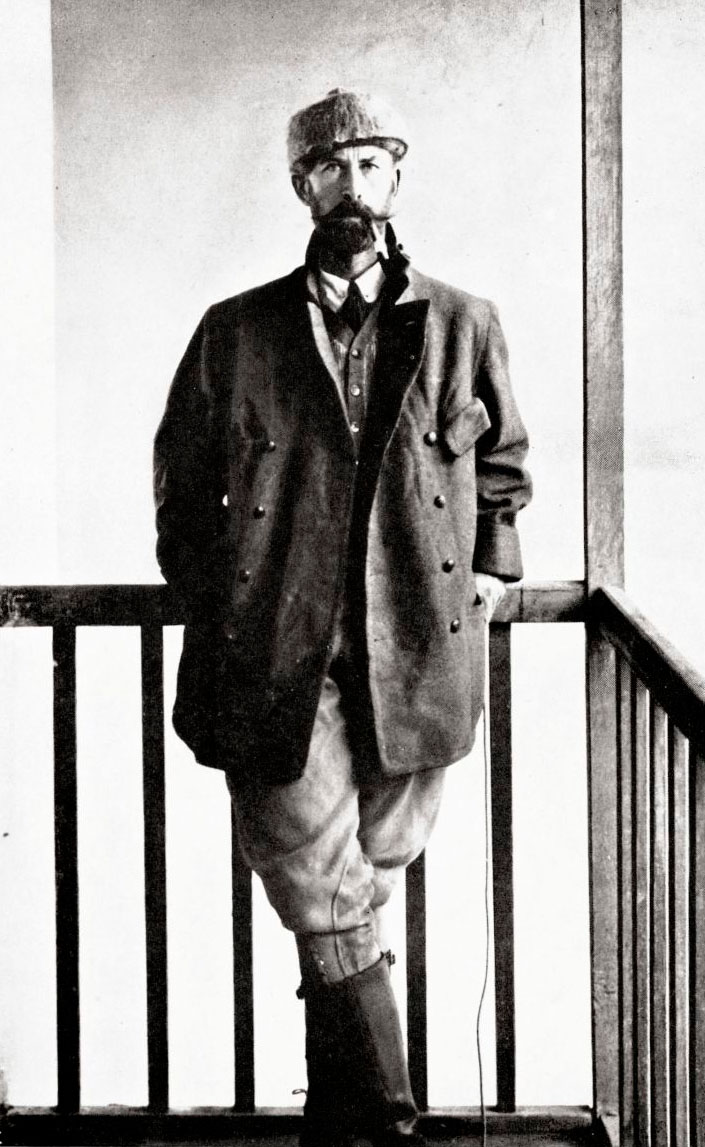
He had spent years exploring and mapping remote regions of South America. Unlike many people of his era, he believed the rainforest had once supported large, sophisticated settlements.
Now he was determined to find proof.
The three men had reached a remote location known as Dead Horse Camp. From there, they planned to push farther into the forest, traveling with limited supplies and no reliable way to communicate with the outside world.
Fawcett’s final letter gave no indication that anything was wrong. He believed the expedition was on course. Then the three men continued into the Amazon.
None was ever reliably heard from again.
Fawcett had warned against sending rescue parties if he disappeared. He knew how dangerous the region could be and feared that anyone searching for him might suffer the same fate.
But as months passed without word, expeditions eventually went looking for the missing men. They found no conclusive answers.
Did the explorers become lost, fall ill, or run out of food? Were they killed in an accident or an encounter with other people? Despite decades of speculation, no one has established what happened.
But Fawcett’s story has an extraordinary twist.
Nearly a century after he vanished, archaeologists have uncovered evidence of complex ancient settlements in parts of the Amazon. These discoveries don’t prove that his Lost City of Z existed, but they support his broader belief that sophisticated civilizations once flourished in the rainforest.
Fawcett disappeared trying to prove that the Amazon held the remains of a forgotten civilization. Modern discoveries suggest he may have been right about that much.
What became of Fawcett, his son, and their companion remains unknown.
12. The Flannan Isles Keepers: Three Men Missing From a Tiny Island Lighthouse
In December 1900, a ship arrived at a remote lighthouse off the coast of Scotland. The light was out. All three keepers had disappeared.
The lighthouse stood on Eilean Mòr, the largest of the Flannan Isles, a small group of islands west of the Outer Hebrides. The men stationed there were James Ducat, Thomas Marshall, and Donald McArthur.

A passing vessel recorded that the lighthouse was dark around December 15. But bad weather and scheduling meant the relief ship, Hesperus, did not reach the island until December 26. When the relief party inspected the lighthouse, they found no keepers.
The lamps and equipment appeared to have been maintained. Two sets of outdoor clothing were missing.
Outside, investigators found evidence of extraordinary storm damage near the western landing.
The National Records of Scotland preserves accounts of twisted iron railings and a large stone displaced by the force of the sea.
Investigators concluded that an enormous wave had probably swept the men into the water. It was a plausible explanation for such an exposed location, although no one could establish exactly what happened.
Over time, the story acquired details about eerie logbook entries and unfinished meals. Those dramatic accounts aren’t supported by the surviving official records.
The evidence points toward a tragic accident, but the final movements of the three keepers have never been reconstructed.
The Flannan Isles are just one of many remote places surrounded by mystery and legend. Explore more fascinating locations in What Are the Most Mysterious Places on Earth?.
13. The Mary Celeste: The Ship That Sailed on Without Its Crew
In early December 1872, sailors aboard the British vessel Dei Gratia encountered an unusual sight in the Atlantic Ocean. Another ship was drifting near the Azores. When they boarded it, they found no one aboard.
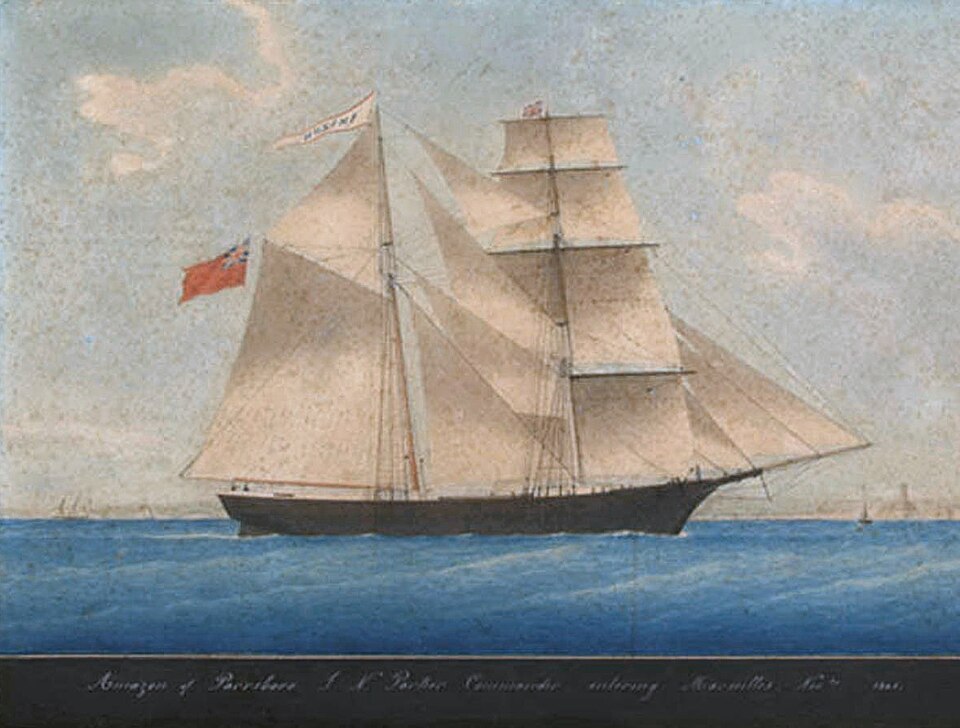
The abandoned vessel was the Mary Celeste, an American merchant ship that had departed New York bound for Italy. Captain Benjamin Briggs was traveling with his wife Sarah, their two-year-old daughter Sophia, and seven crew members.
All ten people had disappeared. Yet the ship itself was still afloat.
Its cargo of industrial alcohol largely remained aboard. Provisions and personal possessions remained, and the vessel was not so badly damaged that it couldn’t be sailed.
The crew that found it eventually brought it into port.
The most significant missing object was the lifeboat. That detail strongly suggests the people aboard had intentionally abandoned the vessel, perhaps because they feared it was in danger.
But why would an experienced captain order his family and crew into a small boat in the open Atlantic?
One theory is that faulty pumps or misleading water levels convinced Briggs that the ship was sinking. Another possibility involves concern about fumes or a problem with the alcohol cargo.
Neither explanation has been proven.
And contrary to popular retellings, there is no reliable evidence that the crew abandoned a freshly served breakfast or cups of warm tea. Such scenes belong to later fictional versions of the mystery.
The real mystery needs no embellishment.
Ten people apparently abandoned a ship that remained seaworthy enough to be recovered and brought into port.
The Mary Celeste completed its voyage without them. No confirmed trace of its missing passengers and crew was ever found.
How Can Someone Disappear When Their Car Is Still There?
In some missing-person investigations, the abandoned vehicle becomes the most important clue.
It may establish where the person was last known to have been, but it doesn’t necessarily explain whether they left on foot, accepted a ride, or were taken somewhere against their will.
These final two cases are especially striking because investigators found the vehicles but never established where their occupants went afterward.
14. Maura Murray: The Woman Who Vanished Before Police Arrived
On February 9, 2004, a black Saturn went off a snow-covered road in Haverhill, New Hampshire. The driver was 21-year-old nursing student Maura Murray. By the time police arrived, she was gone.
Murray had left the University of Massachusetts Amherst earlier that day and driven north toward New Hampshire. She had not shared the details of her trip with people close to her.
At approximately 7:30 p.m., her car traveled off Route 112 and became stuck.
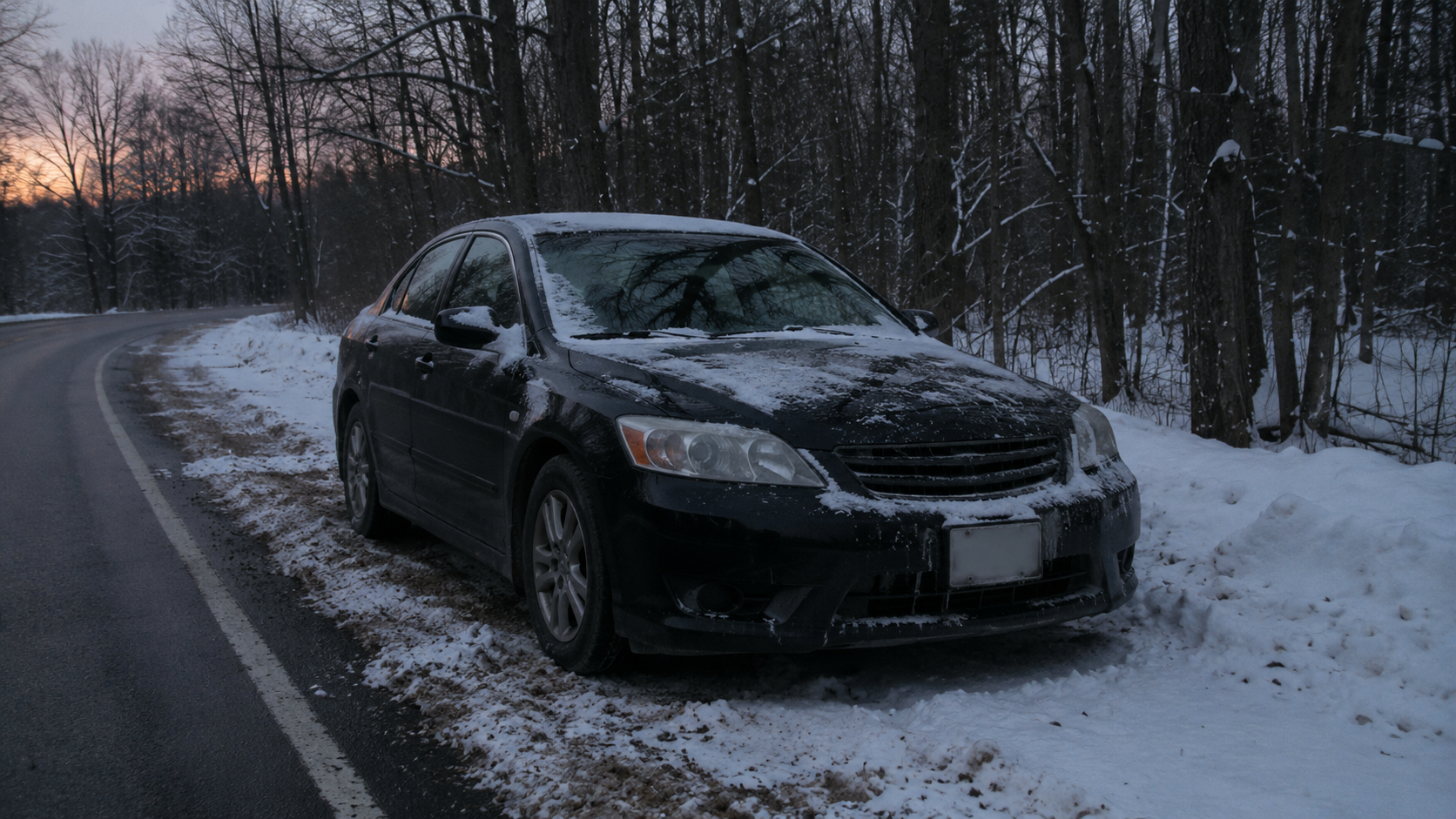
A local resident reported the incident. Police responded, but Murray was no longer at the vehicle when officers arrived.
Her car remained behind.
The setting made the search difficult. The road passed through a rural, wooded region, and winter conditions complicated efforts to determine where someone might have gone.
Murray was an experienced runner and enjoyed hiking, which raised the possibility that she had left the accident scene on foot. But investigators couldn’t determine which direction she went.
Other possibilities included that she accepted a ride or encountered someone else after leaving the vehicle. Despite extensive searches, possible sightings, and years of public attention, her disappearance has never been solved.
In February 2024, the FBI released an age-progression image showing what Murray might look like at 41, part of the continuing effort to generate information about her disappearance.
Her car established where she was last known to have been, but it never explained what happened afterward.
More than two decades of searches and investigations have failed to establish where Murray went after leaving the crash scene.
15. Jimmy Hoffa: The Labor Leader Whose Car Was Found Without Him
On July 30, 1975, former Teamsters president Jimmy Hoffa traveled to a suburban Detroit restaurant for a meeting. He never returned. His car was found in the parking lot.
Hoffa had once been one of the most powerful labor leaders in the United States. His career involved bitter union disputes, criminal convictions, and alleged relationships with organized-crime figures.

In 1975, he was attempting to regain influence within the Teamsters.
That afternoon, he went to the Machus Red Fox restaurant in Bloomfield Township, Michigan.
He expected to meet men associated with organized crime. When the meeting did not happen as anticipated, Hoffa reportedly tried to contact people close to him.
Then he disappeared.
The following day, police found his Pontiac in the restaurant parking lot. There was no sign of Hoffa.
Investigators quickly suspected foul play. Over the decades, authorities pursued tips and searched numerous possible burial locations, including properties in Michigan and a former landfill site in New Jersey.
But the searches failed to recover his remains.
In 1982, a court declared Hoffa legally dead. But decades of investigations, witness interviews, and searches have failed to uncover his remains or produce a murder conviction.
Unlike many disappearances, Hoffa’s case has a compelling possible motive. The harder questions are who carried out the suspected murder and what they did with his body.
Investigators have searched fields, properties, and suspected burial sites for more than 50 years. Not one has yielded Hoffa’s remains. Whoever made one of America’s most powerful labor leaders disappear also managed to keep his final resting place a secret.
When a Disappearance Happens Close to Home
When I was just out of high school, a seven-year-old boy in my hometown disappeared. He lived two blocks from my house, on the same street as my best friend. I’d grown up riding the school bus and going to school with his older siblings. His family was part of our everyday lives.
I still remember the search. Helicopters overhead, search dogs, and investigators checking yards, including ours. So many people were looking for him, and I remember hoping someone would find something that would bring him home.
But even with all the search efforts, he was never found.
His disappearance changed our community. I remember how different everything felt afterward. Someone we knew was missing, and despite the enormous effort to find him, no one could tell us what had happened.
All these years later, I still think about him and wonder what happened. It’s one thing to read about someone disappearing in a remote wilderness or over the ocean. It’s another to know it can happen just two blocks from your own front door.
I think that experience is part of why I’ve always been drawn to stories of mysterious disappearances. I know what it’s like to watch people search for someone and come away without answers. And long after the search ends, someone is still missing.
Myth vs. Fact: What the Internet Gets Wrong About These Disappearances
Some of the most chilling details in famous disappearance stories aren’t true.
The Mary Celeste wasn’t discovered with a hot meal waiting on the table. The Flannan Isles lighthouse keepers didn’t leave behind the eerie logbook entries so often quoted online. And several discoveries hailed as breakthroughs have raised more questions than they’ve answered.

So which details are real, and which have become part of the legend? Here’s what the evidence actually shows.
| Myth | What the evidence actually shows |
|---|---|
| The Mary Celeste was found with warm meals still on the table. | There’s no reliable historical evidence for the famous unfinished-meal scene. The missing lifeboat is a much more significant clue. |
| The Flannan Isles keepers left behind eerie messages in their logbook. | The dramatic logbook entries repeated in popular retellings aren’t supported by the surviving official records. Investigators believed a powerful wave was the likely cause. |
| D.B. Cooper definitely survived his parachute jump. | No one has established whether Cooper survived. The FBI noted that his nighttime jump over difficult terrain was extremely dangerous. |
| Brian Shaffer couldn’t have left the bar without being filmed. | Available surveillance footage didn’t show a confirmed departure, but the cameras didn’t necessarily cover every possible exit. |
| Researchers found Amelia Earhart’s airplane in 2026. | The October 2026 expedition ruled out a promising object in Nikumaroro’s lagoon. Earhart’s aircraft remains missing. |
| Finding Andrew Irvine’s boot proves he reached Everest’s summit. | The 2024 discovery provided new physical evidence believed to belong to Irvine, but it did not establish whether he and Mallory reached the summit. |
2 Lesser-Known Disappearances With Remarkable Clues
Some disappearances never become household names, even when the evidence is difficult to explain. These two cases deserve a closer look.
Joan Risch: The Mother Who Vanished From a Bloodstained Home
On October 24, 1961, Joan Risch disappeared from her home in Lincoln, Massachusetts. Investigators found blood in the kitchen, signs that someone had tried to clean it up, and a telephone pulled from the wall.

But the 31-year-old mother of two was nowhere to be found.
Witnesses later reported seeing a woman who appeared disoriented or injured walking along nearby roads. Investigators couldn’t establish whether those sightings were of Risch.
Another detail complicated the mystery: she had borrowed library books about murders and disappearances. Some wondered whether she had planned to leave, while others suspected violence or an accident.
The evidence suggested something had happened inside her home. But investigators never established what it was—or where Joan went afterward.
The Springfield Three: Three Women Missing From One House
On June 7, 1992, three women vanished from a house in Springfield, Missouri.
Suzanne Streeter, 19, and Stacy McCall, 18, had spent the previous evening celebrating their high school graduation. They eventually returned to the home of Suzanne’s mother, 47-year-old Sherrill Levitt.

By the following morning, all three were missing.
Their cars remained outside. Their purses, money, and other belongings were still inside the house. Investigators found no clear evidence explaining how the women had left.
Police pursued numerous leads, including the possibility of abduction, but never established what happened during those early morning hours.
Three women disappeared from one home, leaving behind nearly everything they owned. Yet investigators couldn’t determine where they went—or whether someone forced them to leave.
6 More Famous Disappearances That Remain Unsolved
The mysteries don’t end with these 15 cases. Here are six more disappearances involving remarkable circumstances, unusual clues, and questions that have never been conclusively answered.
Louis Le Prince (1890): One of the pioneers of motion pictures disappeared during a train journey from Dijon to Paris, just before he planned to demonstrate his invention in America. Neither he nor his remains were ever found. His work predated some of the world’s most famous early filmmakers.
Jennifer Kesse (2006): The 24-year-old Florida woman disappeared before work. Her car was later found at a nearby apartment complex, and surveillance footage showed an unidentified person walking away from it. But the camera’s position and nearby fence prevented investigators from obtaining a clear image of the person’s face.
Brandon Swanson (2008): After his car became stuck on a rural Minnesota road, the 19-year-old called his parents for help. He stayed on the phone as he walked, then suddenly exclaimed something and went silent. His car was eventually found, but Brandon was not.
Judge Joseph Force Crater (1930): A prominent New York judge disappeared after dinner near Times Square. His disappearance triggered an enormous investigation and earned him the nickname “the missingest man in New York.” Despite decades of speculation, his ultimate fate remains unknown.
Glenn Miller (1944): One of America’s most celebrated bandleaders boarded a small military airplane bound for Paris during World War II. The aircraft disappeared over the English Channel, and no confirmed wreckage has ever been recovered.
Michael Rockefeller (1961): Nelson Rockefeller’s 23-year-old son disappeared after a boating accident near New Guinea while collecting and documenting art. Despite searches and decades of speculation, no conclusive evidence has established his fate.

A Modern Mystery Still Unfolding: Nancy Guthrie
In February 2026, an 84-year-old woman was reported missing from her home near Tucson, Arizona. Investigators later released surveillance footage showing a masked, armed individual outside her residence.
Yet months later, Nancy Guthrie had still not been found.
Guthrie, the mother of television journalist Savannah Guthrie, was last seen on January 31, 2026, and reported missing the following day. Authorities are investigating her disappearance as a suspected abduction.
The FBI’s missing-person notice includes images of an armed individual seen at Guthrie’s front door. Investigators have asked the public for help identifying the person and continue to examine forensic evidence.
As of November 10, 2026, no suspect had been publicly identified, and Guthrie remained missing.
The investigation is ongoing, and authorities continue to seek information that could help locate her.
Frequently Asked Questions About Mysterious Disappearances
Even decades after someone disappears, new evidence can change what investigators know. Here are answers to some of the most common questions about these famous cases.
Has D.B. Cooper ever been identified?
No. The hijacker purchased his airline ticket under the name Dan Cooper, but investigators never established his true identity. The FBI redirected resources away from the active investigation in 2016. Although numerous suspects have been proposed, none has been conclusively identified as Cooper.
Did researchers finally find Andrew Irvine on Everest?
In September 2024, a National Geographic expedition found a boot containing partial human remains and a sock bearing Irvine’s name. The discovery is strongly associated with the missing climber, but it has not established whether he and George Mallory reached Everest’s summit in 1924.
Was Amelia Earhart’s airplane found in 2026?
No. An October 2026 expedition examined a promising anomaly on Nikumaroro and determined that it was most likely natural debris. Researchers did not find confirmed wreckage of Earhart’s missing Lockheed Electra.
Why did the Mary Celeste crew abandon their ship?
No one knows for certain. The missing lifeboat suggests that Captain Briggs, his family, and the crew left the vessel deliberately. Researchers have proposed that problems with the pumps or concern about the cargo may have led them to believe the ship was unsafe.
Are any of these disappearances still being investigated?
Yes. Some modern cases, including Maura Murray and Brian Shaffer, remain active missing-person investigations. Other historical mysteries are no longer the focus of active law-enforcement searches, although new documents, discoveries, or scientific evidence can still change what researchers know.
Before You Go: More Mysteries Worth Exploring
If these disappearances left you wondering what other extraordinary stories history has yet to explain, there’s plenty more to investigate.
- Most Famous Unsolved Murders of All Time — Criminal investigations where some of the most important questions remain unanswered.
- 13 Area 51 Facts That Sound Made Up But Are Actually True — The documented history behind one of America’s most secretive locations.
- What Are the Most Mysterious Places on Earth? — From ancient monuments to enduring maritime legends.
- Secrets to the Hope Diamond Curse — A stolen diamond, centuries of misfortune, and a legendary curse. Discover what history actually reveals about this mysterious gem.
Your Turn: Which Disappearance Surprised You Most?
An untouched fortune. An abandoned car. An unfinished note. A ship recovered without its crew. Every case in this collection left behind a detail that’s hard to forget.
Which disappearance do you find the hardest to explain? And is there another mysterious disappearance we should have included? Share the case and the detail that intrigues you most in the comments.






The article fails to mention that some of DB Cooper’s money was found in 1980.
Jeffrey, you are correct! We will be sure to update the article accordingly, thanks for letting us know and for reading Exploring Life’s Mysteries!