
When you ask an AI chatbot a question, water probably isn’t the first thing on your mind. But while researching how much water these systems actually use, I came across a number that made me look twice.
In 2023, U.S. data centers consumed an estimated 17 billion gallons of water for cooling. That’s a lot, but it wasn’t the number that caught my attention. Generating the electricity to run those same facilities consumed another 211 billion gallons. That’s roughly 12 times more water than the cooling systems themselves.
Table of Contents
We tend to think about water use in terms of showers, leaky faucets, and watering the lawn. But your morning coffee, favorite jeans, chocolate bar, and even a single sheet of paper all have hidden water footprints, much of which comes from producing them long before they reach you.
And those gallons don’t all tell the same story. Rainwater absorbed by crops is different from water pumped out of a shrinking aquifer. These 13 everyday examples reveal where the water goes, why it matters, and who bears the cost when supplies run short.

What Do Those Hidden Gallons Actually Measure?
When you hear that something takes hundreds or even thousands of gallons of water to produce, it’s easy to picture all that water being pumped out of a river or reservoir.
But that’s not necessarily what’s happening.
Researchers use the term water footprint to describe the water used throughout a product’s life, from growing raw materials to manufacturing the finished item. And not all that water comes from the same place.
Water footprints generally include three categories:
- Green water: Rainwater absorbed by plants as they grow.
- Blue water: Water drawn from rivers, lakes, reservoirs, and underground supplies for irrigation, manufacturing, and other uses.
- Grey water: A calculated amount of freshwater needed to dilute pollution to meet water-quality standards.
Here’s why that distinction matters. Imagine two cotton farms producing the same amount of cotton. One gets most of its water from rainfall. The other relies on irrigation from a river that’s already running low.
Their total water footprints might look similar on paper, but the consequences for nearby communities could be very different.
There’s another important difference: water withdrawn isn’t always water consumed. A power plant, for example, might pull millions of gallons from a river for cooling and return much of it. Water that evaporates during the process, however, is no longer available in that local supply.
So those eye-popping water figures are worth paying attention to. Just remember that the total number doesn’t tell you everything about where the water came from, how it was used, or what impact it had.
1. Asking An AI Chatbot A Question: The Water Nobody Counts
How much water does it take to ask ChatGPT a question? Depending on whom you ask, the answer ranges from a few drops to a surprisingly large fraction of a water bottle.
In June 2025, OpenAI CEO Sam Altman claimed that an average ChatGPT query uses about 0.000085 gallons of water, roughly one-fifteenth of a teaspoon. Google’s researchers later estimated that a typical Gemini text prompt consumed about 0.26 milliliters, or approximately five drops.
But earlier research painted a very different picture.
In their paper Making AI Less “Thirsty,” researchers estimated that the older GPT-3 model could consume approximately 500 milliliters of water for every 10 to 50 medium-length responses, depending on where and when the system was operating.
That’s quite a difference. And it raises a question worth asking: What exactly are these companies counting?
Why Does AI Need Water In The First Place?
Every time you ask an AI chatbot a question, computers inside a data center process your request. Those computers generate heat, and thousands of servers running around the clock can produce an enormous amount of it.
One common way to keep them cool is through evaporative cooling.
Water absorbs heat from the equipment and moves through a cooling system. Some of it evaporates, carrying that heat into the atmosphere. It’s similar to how sweating cools your skin, except a data center needs to manage the heat from entire rooms of powerful computers.
And the cooling system isn’t the only place water enters the picture.
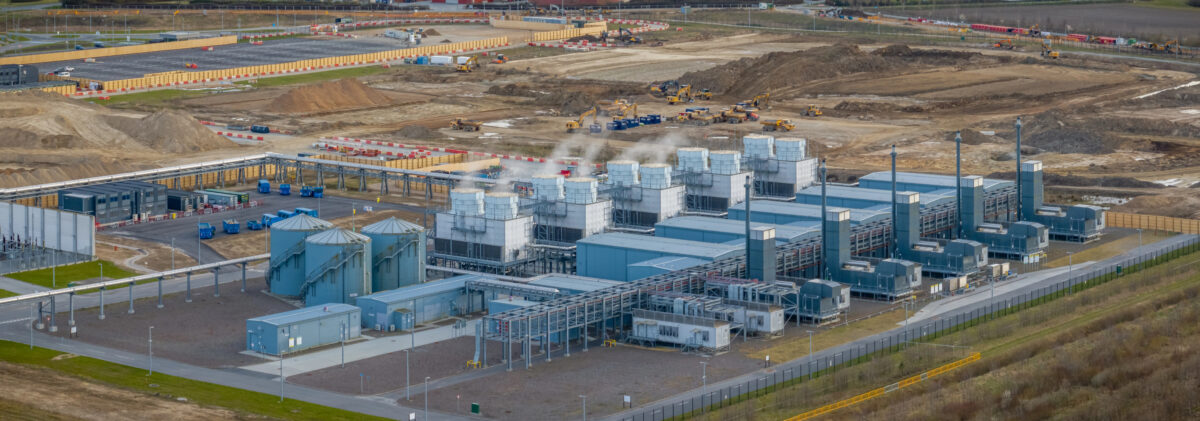
The electricity powering those servers has its own water footprint. Many power plants use water to cool their equipment, so generating electricity for your AI question can also consume water miles away from the data center. A Lawrence Berkeley National Laboratory report found that electricity generation accounted for far more water consumption than the data centers’ cooling systems alone.
That helps explain why estimates can be so different. They may involve different AI models, locations, operating conditions, and methods of accounting for water use. Some include the water consumed to generate electricity, while others leave it out.
The Same Technology, Very Different Water Demands
Not every data center uses water the same way.
Some depend heavily on evaporative cooling. Others use air cooling, closed-loop systems, or designs that dramatically reduce the need for fresh water on-site.
Climate matters, too. A facility operating in a cool region has different cooling demands than one running through a scorching summer in the desert Southwest.
And then there’s the local water supply.
In The Dalles, Oregon, records obtained by reporters showed that Google’s data centers accounted for nearly 40% of the city’s water consumption during one reported period.
Here’s where the discussion becomes much bigger than the amount of water behind a single chatbot response.
Who Gets The Water When Supplies Are Limited?
AI isn’t the largest water user in the United States. Agriculture and other established industries use far more. But national comparisons can obscure what’s happening in individual communities.
A data center may use only a tiny fraction of the country’s water, yet consume a substantial share of the water available in its local community.
And unlike a household that can cut back on watering the lawn, these facilities may need cooling around the clock.
That doesn’t mean we should stop using AI. Nor does it mean every data center is draining its community’s water supply.
But companies asking communities to share their water should be transparent about how much they need, where it comes from, and what happens when supplies run short.
The technology may be new, but the question isn’t: Who benefits from a shared resource, and who bears the cost?
2. Your Morning Coffee: About 37 Gallons A Cup
Coffee is a daily staple in my house, and I’m certainly not above reaching for another cup when that 2 p.m. slump hits. But I never gave much thought to how much water goes into producing those beans until I came across this number: roughly 37 gallons (140 liters) for a small, 4-ounce cup of coffee.
And we’re not talking about the water you pour into the coffee maker.
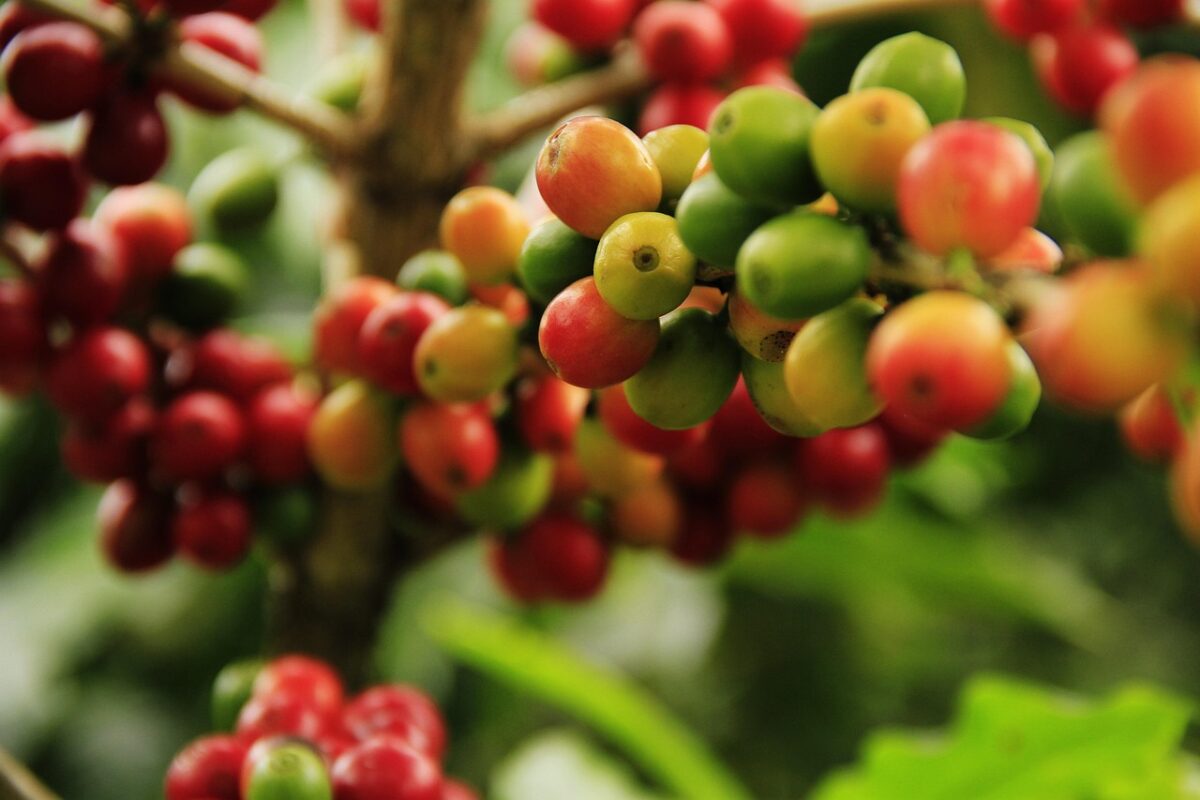
Coffee goes through quite a journey before it reaches your mug. The cherries are harvested, pulped, fermented, washed, dried, and roasted. With all those steps, you’d think processing would account for a good chunk of coffee’s water footprint.
Surprisingly, it barely makes a dent.
In a 2007 study, researchers found that washing and fermenting coffee beans accounted for just 0.34% of the total water footprint. Nearly all the rest went into growing the coffee plants.
Coffee trees need water throughout the year, and it takes a considerable amount of harvested fruit to produce a relatively small quantity of roasted beans. By the time those beans reach your kitchen, they’ve lost much of their original weight, but the water used to grow them is still part of their footprint.
The 37-gallon figure is an estimate, and the actual amount varies from farm to farm depending on growing conditions, rainfall, and irrigation practices.
The biggest water cost of your morning coffee isn’t brewing it or processing the beans. It’s growing them in the first place. And whether that water comes from abundant rainfall or a strained local supply makes a considerable difference.
3. A Single Sheet Of Paper: About 2.6 Gallons
A single sheet of printer paper weighs about as much as a teaspoon of sugar. Yet according to the Water Footprint Network, producing that one sheet can carry a water footprint of roughly 2.6 gallons (10 liters).
That’s a surprising amount for something we might scribble a grocery list on and toss into the recycling bin five minutes later.
Most of that water isn’t used at the paper mill. It’s associated with growing the trees that eventually become paper.
Trees absorb water through their roots and release much of it into the atmosphere through their leaves, a process called transpiration. Over years of growth, that water adds up. Researchers assign a portion of it to the wood harvested and, ultimately, to each sheet of paper produced.
But there’s an important catch. Much of that water comes from rainfall, and a forest would use water even if nobody ever turned its trees into paper.
That doesn’t make paper waste harmless. Growing, harvesting, processing, and transporting wood all have environmental consequences.
Paper isn’t the only way we read. E-readers like Kindle and Nook let us carry thousands of books on one device. But electronics have their own manufacturing footprints, so replacing paper with a screen doesn’t automatically eliminate the environmental cost.
The figure still matters, especially when you consider how much paper gets printed, packaged, and thrown away every day. Just remember that the water footprint tells only part of the environmental story.
4. A Chocolate Bar: Roughly 450 Gallons
That chocolate bar you’ve been saving for an afternoon treat comes with a surprisingly big water footprint. According to Water Footprint Network estimates, producing a 3.5-ounce (100-gram) chocolate bar can require roughly 450 gallons (1,700 liters) of water.
For something that fits in your hand, that’s hard to picture.

The biggest reason is cocoa. Cocoa trees take years to mature and need warm, humid conditions to produce the pods filled with the beans used to make chocolate. A global water-footprint estimate puts cocoa beans at around 20,000 liters of water per kilogram.
And the beans are just the beginning. Once harvested, they’re fermented, dried, roasted, and processed into cocoa ingredients. Making chocolate also requires ingredients such as sugar and, for milk chocolate, dairy, which bring their own water footprints.
Here’s something those enormous numbers don’t tell you: much of the water used to grow cocoa comes from rainfall in tropical regions, not irrigation systems draining nearby rivers.
Chocolate production carries other environmental costs, too. Expanding cocoa farms can contribute to deforestation, particularly when forests are cleared to make room for new plantations. Losing those forests threatens wildlife habitat and can disrupt local ecosystems and water cycles.
So while 450 gallons makes for an eye-catching number, it isn’t necessarily the best way to judge a chocolate bar’s environmental impact. Where the cocoa was grown, whether forests were cleared, and how farmers manage the land all matter.
As someone who considers chocolate an essential food group, I can’t say I loved learning these numbers. I’m certainly not giving it up, but I may start paying a little more attention to where my favorite treats come from.
5. A Burger: About 630 Gallons
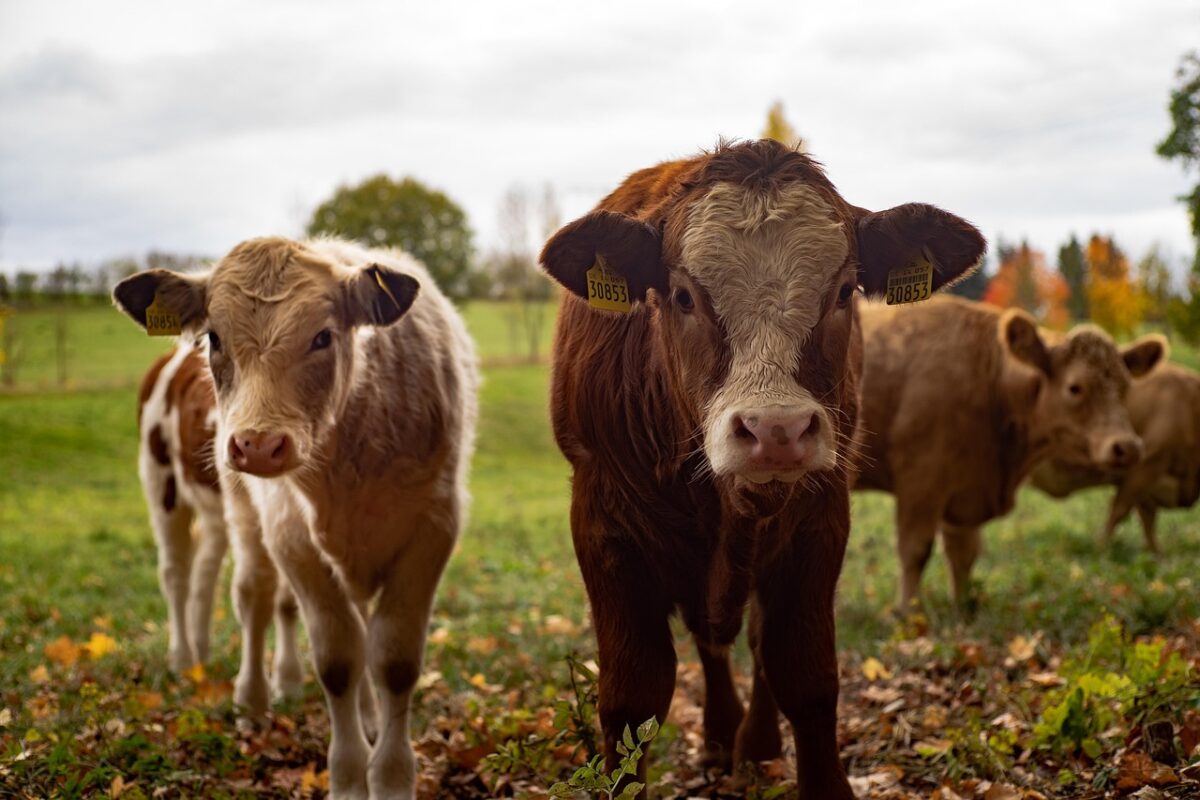
A single hamburger can carry a water footprint of roughly 630 gallons (2,400 liters), according to a widely cited Water Footprint Network estimate. That’s a lot of water for something you can eat in five minutes.
But the surprising part isn’t how much water a cow drinks. It’s how much water goes into feeding that cow.
Cattle spend months or years eating grass, hay, grain, and other feed before they’re ready for market. All that food has to grow somewhere, and growing it takes water.
In fact, research by Mesfin Mekonnen and Arjen Hoekstra found that feed production accounts for roughly 98% of the water footprint of farm animal production globally. The water animals drink and the water used to maintain their facilities account for a much smaller share.
And cattle aren’t particularly efficient at turning feed into meat. They eat large quantities over their lifetimes, which helps explain why beef has a much larger water footprint than chicken or pork.
For perspective, the Water Footprint Network estimates that producing a pound of beef requires around 1,800 gallons of water, compared with roughly 520 gallons for a pound of chicken.
Does Grass-Fed Beef Use Less Water?
Not necessarily. And this is where those water-footprint numbers get especially interesting.
Grass-fed cattle may rely primarily on pasture watered by rainfall, while cattle raised with irrigated feed crops can place greater pressure on rivers and groundwater.
But grass-fed animals can also take longer to reach market weight, increasing the total amount of water associated with raising them. The result depends on the climate, pasture conditions, feed sources, and production system.
There’s no simple answer that makes one type of beef automatically better on every environmental measure.
And water isn’t the only concern. Beef production also involves greenhouse gas emissions, land use, and animal welfare questions that deserve attention.
What Makes The Biggest Difference?
Here’s where individual food choices can have a meaningful impact.
According to the same research, beef has an average water footprint per gram of protein roughly six times larger than pulses such as beans and lentils.
You don’t have to give up burgers entirely to make a difference. But swapping beef for beans, lentils, or other plant proteins more often can make a meaningful difference. It’s one of the simpler ways to reduce the resources tied to what we eat, without completely changing how we eat.
6. A Pound Of Cheese: Up to 600 Gallons
Cheese is practically its own food group in my house, so I wasn’t particularly thrilled to discover that producing a single pound can carry a water footprint of roughly 380 to 600 gallons, depending on the estimate.
And before you blame the cheesemaking process, most of that water never gets anywhere near the cheese factory.
Producing just one kilogram (2.2 pounds) of cheese typically requires around 10 liters of milk. And making all that milk means feeding dairy cows day after day. Growing their grass, hay, and other feed accounts for most of the water associated with dairy production.

Cheesemaking also produces whey, the liquid separated from the curds. Because whey is used in everything from protein powders to other food products, researchers divide some of milk’s water footprint between cheese and whey.
That’s one reason published estimates vary. A global assessment by Mekonnen and Hoekstra puts cheese made from cow’s milk at about 3,178 liters of water per kilogram, while another Water Footprint Network calculation comes closer to 5,000 liters.
Neither figure tells you exactly how much water went into the block of cheddar sitting in your fridge. The type of dairy operation, feed sources, and local growing conditions all make a difference.
The real water footprint of cheese begins long before the milk reaches the dairy.
As for me, I’m not ready to part ways with cheddar, mozzarella, or a good wedge of Brie. But knowing what goes into making them certainly gives me another reason not to let perfectly good cheese go to waste.
7. A Pair Of Jeans: About 1,000 Gallons
There’s something about finding a pair of jeans that fits just right. The kind you reach for constantly and wear until they’re practically falling apart. I’m certainly guilty of getting attached to a good pair.
But I had no idea just how much water could be involved in making and wearing them.
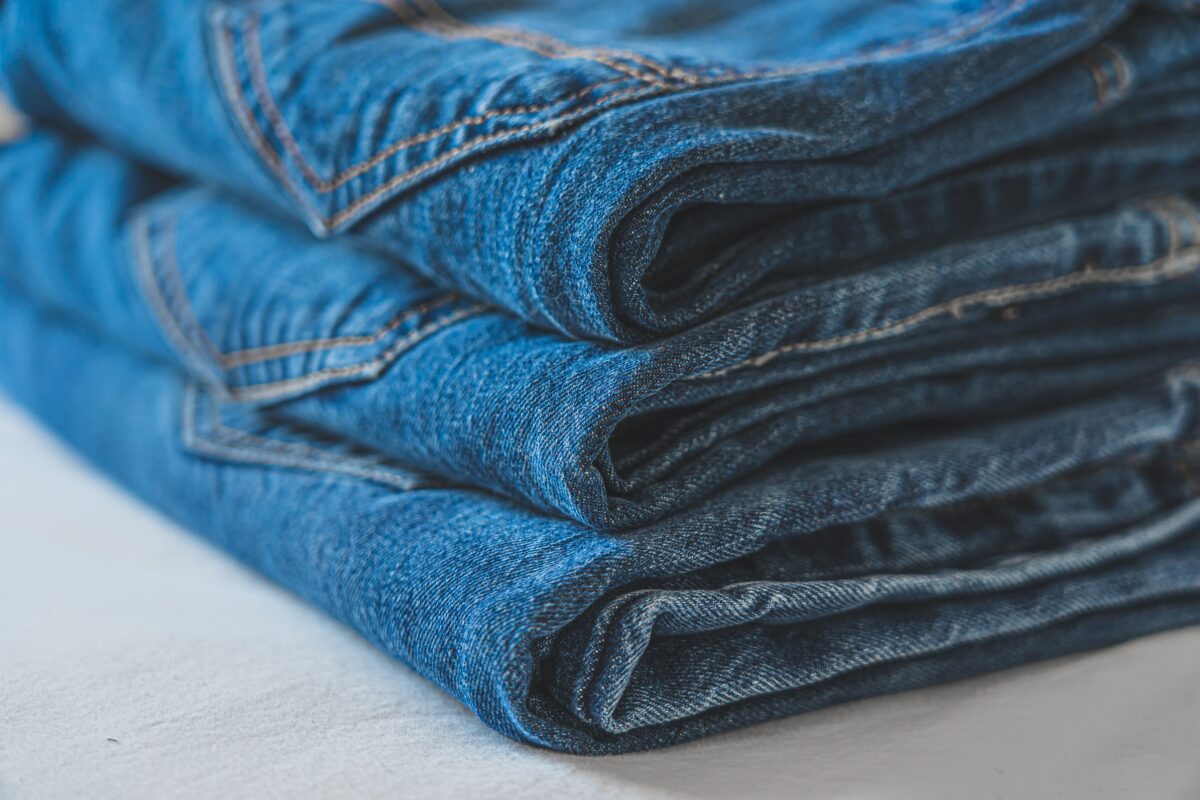
In a 2015 lifecycle study, Levi Strauss & Co. estimated that a single pair of its classic 501 jeans used about 1,000 gallons (3,781 liters) of water, from cotton production through eventual disposal.
And the biggest share wasn’t used in the factory.
Growing the cotton accounted for about 68% of the total water footprint, while washing the jeans at home over their lifetime made up another 23%. Dyeing, finishing, and other manufacturing steps contributed far less than you might expect.
Cotton grows best in warm conditions, but many places that produce it don’t receive enough rainfall to meet the crop’s needs. That means irrigation, sometimes in regions where water is already scarce.
When Cotton Farming Helped Drain An Entire Sea
One of the most devastating examples is the Aral Sea in Central Asia.
Once one of the world’s largest inland lakes, the Aral Sea began shrinking dramatically after Soviet planners diverted the rivers feeding it to irrigate cotton fields and other crops.
As the water disappeared, fishing communities lost their livelihoods, and the exposed lakebed became a source of salt- and chemical-laden dust. What had been a thriving body of water turned into an environmental disaster.
It’s a stark reminder that the consequences of cotton production can extend far beyond the clothing it makes.
Not every pair of jeans comes from cotton grown under those conditions. Water use varies with the growing region, irrigation practices, and manufacturing methods. The Levi’s estimate also reflects one particular product and assumptions about how consumers wash it.
There is one part of that footprint we can actually influence: how often we wash our jeans.
Unless they’re visibly dirty or need freshening up, jeans don’t necessarily need to go straight into the laundry after every wear. Washing less often can save water, reduce energy use, and help denim last longer. And if you’ve ever found that one perfect pair of jeans, keeping them in good shape is reason enough.
8. A Cotton T-Shirt: Does It Really Take 700 Gallons?
I have T-shirts I’ve worn for years. They’re soft, a little faded, and probably well past the point when most people would replace them. But once a shirt gets that perfectly broken-in feel, it’s hard to let go.
I’ve never looked at one of those old favorites and thought about how much water went into making it. And I suspect most people haven’t, either.
Here’s a number that might change that: 2,700 liters, or roughly 710 gallons, to produce a single cotton T-shirt.
It’s a figure that’s been repeated for years in articles, documentaries, and environmental campaigns. And while it comes from real research, there’s more to the story.
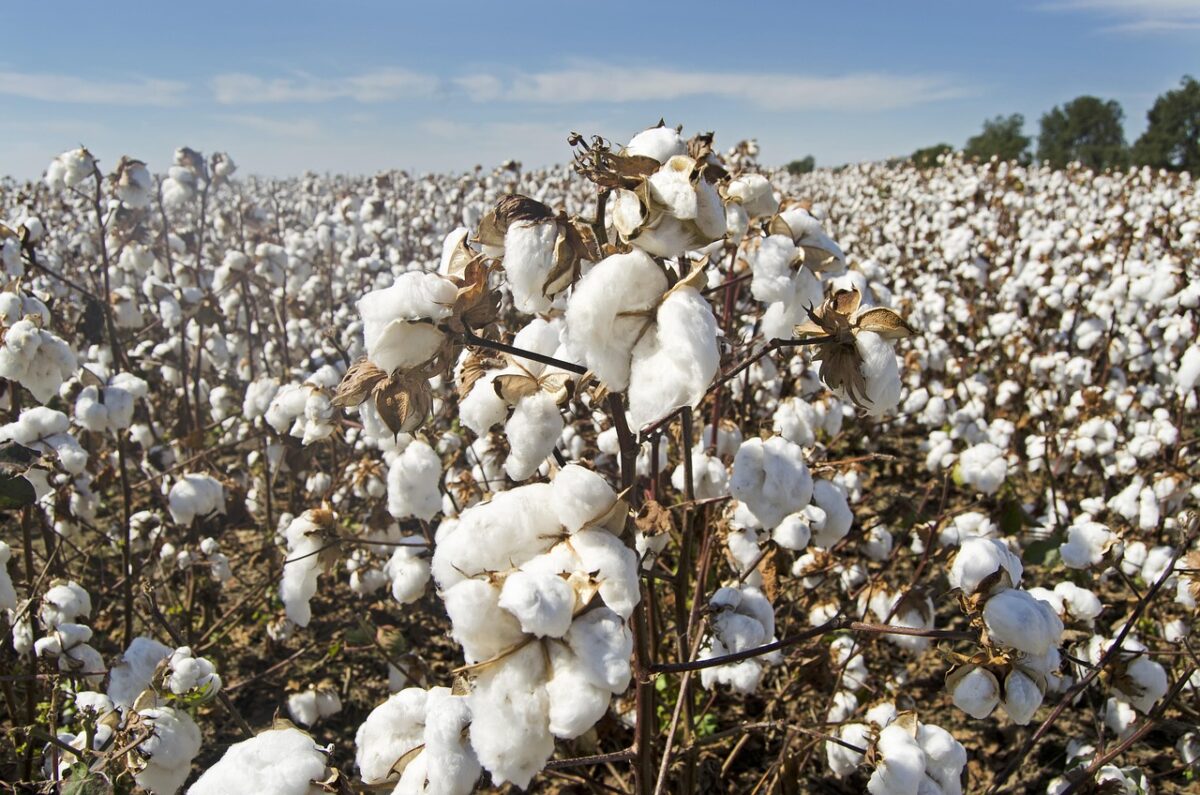
The estimate traces back to research examining the water footprint of cotton production. Using a T-shirt weighing about 250 grams, researchers calculated roughly 2,720 liters of water, including rainfall, irrigation, and the water associated with pollution.
But not every T-shirt weighs 250 grams. Cotton grows in different climates, and farms use different amounts of irrigation. Even the methods researchers use to calculate water footprints can produce dramatically different results.
When the research group Planet Tracker examined published estimates, it found figures ranging from 600 to 7,000 liters per shirt.
That’s a pretty enormous difference for something hanging in your closet.
And it explains why we should be careful with claims that every cotton T-shirt requires exactly 2,700 liters of water. The number is a useful illustration, not a universal measurement.
The uncertainty around these estimates doesn’t erase cotton’s environmental impact. Growing cotton can require substantial irrigation, while turning it into fabric involves additional processing, chemicals, and energy.
There’s an upside, too. One of the simplest ways to reduce the resources associated with clothing is to keep wearing what we already own.
Fast fashion encourages us to treat perfectly usable clothes as disposable. Buying fewer shirts, choosing ones that last, and wearing them longer reduces demand for new production. For anyone who enjoys changing up their wardrobe, clothing rentals and secondhand options offer other ways to find something different without always purchasing brand-new clothes.
Which makes me feel a little better about those old, ratty T-shirts I refuse to throw away. Turns out my attachment to ridiculously soft cotton has at least one practical benefit.
9. A Glass Of Beer: About 20 Gallons
Where I live in Colorado, breweries are more than places to grab a beer. They’re where friends meet after work, neighbors catch up, and people gather for everything from trivia nights to live music. Craft beer is a big part of the local culture, even if you’re not much of a beer drinker yourself.
But there’s something most people probably aren’t thinking about while enjoying a cold one: a small, 8.5-ounce glass of beer carries a water footprint of roughly 20 gallons (74 liters), according to Water Footprint Network estimates.
And if you’re drinking a typical 16-ounce American pint, that works out to around 37 gallons.

You might picture a brewery using enormous amounts of water to clean tanks, rinse bottles, and make the beer itself. Breweries certainly need water for all those things, but that’s only a small part of the total.
More than 90% of beer’s water footprint typically comes from growing its ingredients, particularly barley. Just like coffee and chocolate, most of the water is used long before the finished product reaches your glass.
When global brewer SABMiller examined its supply chains, it found that producing a liter of beer required approximately 44 liters of water in the Czech Republic, compared with 61 liters in Peru, 155 liters in South Africa, and 180 liters in Tanzania.
That’s roughly four times as much water for the same amount of beer, largely because of differences in growing conditions and agricultural water use.
And beer isn’t the only alcoholic drink with a hidden water footprint. A small, 4-ounce glass of wine carries an estimated 32 gallons (120 liters), with most of that water associated with growing grapes.
Those differences don’t make enjoying a beer with friends wasteful. But they do show why the biggest water decisions behind our drinks often happen in fields far from the brewery.
10. Almonds: About A Gallon Of Water Each
One almond. One gallon of water.
It’s a statistic that made headlines during California’s droughts, and it sounds almost ridiculous when you picture a single almond sitting in the palm of your hand.
The estimate isn’t far off. A 2019 study examining crop water use in California’s Central Valley estimated approximately 0.94 gallons (3.56 liters) of water per almond.
That means a handful of 20 almonds could represent nearly 19 gallons of water.
So why does growing something so small take so much?
California’s Central Valley has long, hot, dry summers, and almond orchards need irrigation to keep producing. The trees absorb water through their roots and release much of it through their leaves as they grow.

But what makes almonds particularly challenging isn’t just how much water they need. It’s that farmers can’t simply stop growing them when a drought hits.
With an annual crop, a farmer can choose to plant less, leave a field empty, or switch crops when water supplies are limited.
Almond trees are different. They’re a long-term investment, and even when they aren’t producing a crop, they still need enough water to survive. Letting an established orchard die can mean losing years of work and starting over with new trees.
Who Gets Water When There Isn’t Enough?
That’s where California’s almond debate gets complicated.
Almonds support farms, jobs, and a major agricultural industry. Growers have also adopted more efficient irrigation methods, including systems that deliver water directly to the trees.
But efficiency doesn’t make the underlying water demand disappear.
During droughts, California farmers, households, and businesses can find themselves competing for limited water supplies. Some agricultural operations also depend on groundwater, which can become increasingly difficult and expensive to access as aquifers decline.
The almond industry argues, reasonably, that its crops shouldn’t be singled out while other major water users escape scrutiny. And not every almond orchard has the same impact. Growing conditions, irrigation practices, and water sources vary.
Still, the important question isn’t whether almonds are worth growing. It’s how much water to commit to a crop that needs it year after year, even when supplies run dangerously low.
That decision affects more than the price of almond milk or a bag of nuts. It affects farmers trying to stay in business, communities depending on groundwater, and ecosystems that need water to survive.
One almond may represent roughly a gallon of water. Multiply that across millions of trees, and the question becomes much bigger than what’s in your snack bowl.
11. The Chip Inside Your Phone: Millions Of Gallons Of Water
My phone probably knows more about my daily routine than most people do. It’s my alarm clock, camera, calendar, shopping list, and connection to just about everyone. Like most of us, I’d be pretty lost without it.
But I’ve never looked at my phone and thought about the enormous amount of water chip factories need to produce the tiny components that power it.
According to the World Economic Forum, a semiconductor manufacturing facility can use up to 10 million gallons of ultrapure water a day. That’s roughly equivalent to the daily water use of 33,000 American households.
And we’re talking about water that’s far cleaner than anything coming out of your kitchen faucet.

Why Do Computer Chips Need Such Pure Water?
The silicon chips inside smartphones, laptops, cars, and countless other devices contain incredibly small electronic components. Even a microscopic speck of dust or a trace of minerals can interfere with the manufacturing process.
To prevent contamination, manufacturers repeatedly rinse silicon wafers with ultrapure water, filtered and treated to remove nearly all impurities.
Imagine washing the same dish dozens of times, using water cleaner than anything you’d ever need for drinking. Now multiply that across thousands of wafers moving through a factory.
And producing ultrapure water takes water, too. Depending on the treatment process, it can take approximately 1.4 to 1.6 gallons of ordinary municipal water to produce one gallon of ultrapure water.
Some manufacturers reclaim and reuse substantial amounts of their process water. But that doesn’t eliminate the need for a reliable supply.
When Chip Factories And Farmers Need The Same Water
In 2021, Taiwan experienced one of its worst droughts in decades. Reservoir levels fell, households faced water restrictions, and farmers struggled to keep their fields irrigated.
The government suspended irrigation across roughly 183,000 acres of farmland, affecting rice growers and other agricultural producers.
Meanwhile, semiconductor manufacturing remained a national priority. Taiwan produces chips used in electronics worldwide, and interrupting production could have consequences far beyond the island.
Companies worked to secure water supplies, including transporting water to facilities, while farmers faced irrigation restrictions.
It’s not hard to understand why the government wanted to protect such an important industry. But that decision came at a cost, and farmers felt it.
The challenge isn’t limited to Taiwan, either.
In Phoenix, Arizona, Taiwan Semiconductor Manufacturing Company (TSMC) operates a facility that uses approximately 4.75 million gallons of water a day. The company reports reclaiming about 65% of the water used at its first plant and is investing in additional recycling infrastructure.
That’s meaningful progress, particularly in a desert region. But it also raises an important question about where water-intensive industries should expand and how communities should plan for their long-term needs.
And when water becomes scarce, the people growing food shouldn’t be an afterthought in decisions about keeping the world’s electronics running.
12. Flipping A Light Switch: The Water Behind Your Electricity
I’m always reminding everyone in my house to turn off lights when they leave a room. Mostly because I don’t enjoy paying for electricity nobody’s using. But there’s another resource tied to those switches that rarely crosses our minds: water.
According to the U.S. Geological Survey (USGS), thermoelectric power plants withdrew approximately 133 billion gallons of water every day in 2015, accounting for 41% of all water withdrawals in the United States that year.
That’s more than was withdrawn for agricultural irrigation.
So what does all that water have to do with keeping the lights on?

Why Power Plants Need So Much Water
Many coal, natural gas, and nuclear power plants generate electricity using heat. In conventional steam-based systems, water is heated into steam, which drives turbines connected to generators.
Once the steam has done its job, it needs to cool and turn back into liquid so the cycle can begin again.
And that cooling process can require tremendous amounts of water.
Some power plants draw water from nearby rivers or lakes, use it to absorb heat, and return it to the source. Others circulate water through cooling towers, where some evaporates as it carries heat away.
But here’s the surprising part: withdrawing water isn’t the same as using it up.
In the USGS’s 2015 national assessment, only about 3% of the water withdrawn for thermoelectric power generation was actually consumed. Most was returned to its source.
That sounds reassuring, but returning water doesn’t necessarily mean nothing has changed. Discharged water can be warmer than the river or lake it came from, potentially affecting fish and other aquatic life.
And cooling towers have their own trade-off. They can withdraw much less water than once-through cooling systems while losing more of it to evaporation.
Not All Electricity Has The Same Water Footprint
The water associated with your electricity depends heavily on how it’s generated.
Traditional steam-based power plants often need substantial amounts of cooling water. Wind turbines and solar photovoltaic panels, on the other hand, use very little water while generating electricity.
That’s an important distinction as electricity demand grows. And there’s a bigger question here than whether someone forgot to turn off the kitchen light.
When communities plan how to generate electricity, water availability deserves a seat at the table alongside cost, reliability, and pollution.
13. Golf Courses: The Water Debate Has A Surprising Twist
There’s something almost surreal about seeing a perfectly green golf course surrounded by dry, dusty desert. Every blade of grass looks immaculate, even when the landscape beyond the fairway is struggling to stay green.
And keeping it that way takes an astonishing amount of water.
According to a 2025 survey by the Golf Course Superintendents Association of America, U.S. golf facilities applied approximately 530 billion gallons of water in 2024. That’s about 1.5 billion gallons every single day.
Now, remember those data centers we talked about at the beginning?

Researchers estimated that U.S. data centers directly consumed about 17 billion gallons of water for cooling in 2023. The amount of water applied to golf courses was roughly 30 times larger.
There’s a catch with that comparison. Golf irrigation figures measure water applied to the landscape, while the data center estimate measures water consumed. Those aren’t the same thing. The figures also come from different years, and the data center number excludes the substantial water footprint of electricity generation.
Still, the contrast raises an interesting question: Why do some industries attract intense scrutiny for their water use while others have been drawing on shared supplies for generations?
Why Does Golf Need So Much Water?
Golf courses need healthy turf that can withstand regular play, and grass loses water continuously through evaporation and transpiration.
In regions with plenty of rainfall, nature does some of that watering. But in hot, dry climates, maintaining acres of lush fairways and greens can require substantial irrigation.
And not all golf course water comes from the same source.
Some courses use treated wastewater or other recycled supplies. Others draw from wells, reservoirs, lakes, or rivers. That distinction matters, especially in places where residents, farmers, and wildlife depend on limited water resources.
To the industry’s credit, golf courses have made measurable progress. The same national survey found that water applied to U.S. golf facilities declined by 31% between 2005 and 2024.
That’s a meaningful reduction, and it shows that changes in irrigation practices, turf management, and course design can make a difference.
But conserving more water doesn’t eliminate the question of how much should be devoted to recreational landscapes, particularly during droughts.
Who Decides What’s Worth The Water?
A community might welcome a new data center for its economic benefits or value a golf course for its recreation, jobs, and green space. Those benefits deserve consideration, but so do the needs of residents, farmers, and local ecosystems.
The question isn’t whether golf courses or data centers are the villains. It’s whether communities have enough information and a meaningful say in how their water is used.
Because whether we’re keeping servers cool or fairways green, that water has to come from somewhere.
How Does Hidden Water Use Compare To What Comes Out Of Your Tap?
We’ve looked at the surprising amounts of water behind coffee, clothing, electronics, and food. But how do those numbers compare with the water we use around the house?
Here are a few familiar examples:
- Flushing a water-efficient toilet: About 1.28 gallons or less per flush.
- Running an ENERGY STAR dishwasher: About 3.2 gallons or less per cycle.
- Washing a load of laundry: Around 14 gallons in an efficient washing machine.
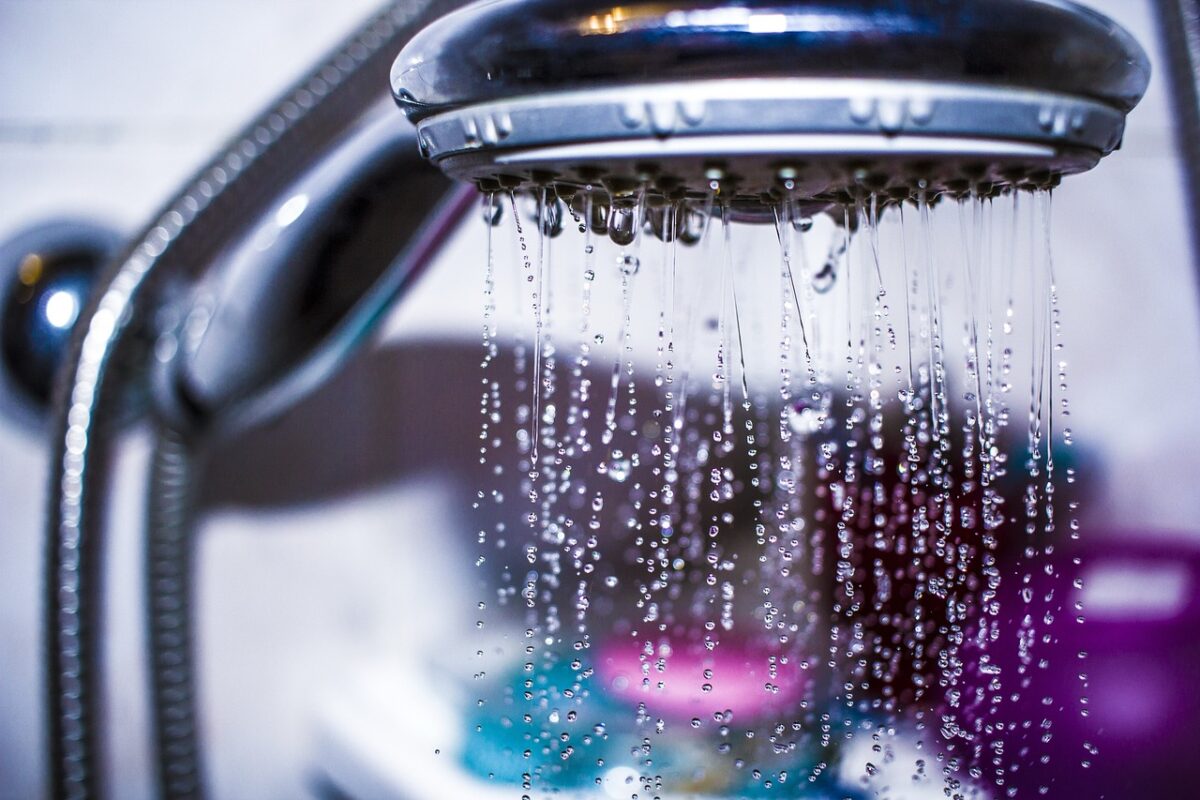
- Taking a 10-minute shower: About 20 gallons with a water-saving showerhead.
Now compare those numbers with some of the hidden water footprints we’ve explored. A small cup of coffee carries an estimated 37 gallons, while a 3.5-ounce chocolate bar can account for roughly 450 gallons.
That’s enough to make you look at your afternoon snack a little differently.
But the water flowing through your shower or dishwasher tells a different story than the water footprint of a chocolate bar or pair of jeans. Product estimates can include rainfall, irrigation, and calculated pollution-related water from every stage of production. They’re useful comparisons of scale, not equivalent measures of environmental impact.
Conserving water at home still matters, especially in drought-prone communities. But protecting our water supplies also means paying attention to the enormous demands we rarely see, and the decisions about how that water gets used.
How Do These Everyday Things Compare?
From a single almond to a pair of jeans, the hidden water behind everyday products can add up quickly. Here’s a look at some of the estimates we’ve covered.
| Everyday Thing | Estimated Water Footprint |
|---|---|
| Single almond | About 1 gallon |
| Sheet of office paper | About 2.6 gallons |
| Glass of beer (8.5 oz) | About 20 gallons |
| Cup of coffee (4 oz) | About 37 gallons |
| Chocolate bar (3.5 oz) | About 450 gallons |
| Pound of cheese | About 380–600 gallons |
| Hamburger | About 630 gallons |
| Cotton T-shirt | About 160–1,850 gallons |
| Pair of Levi’s 501 jeans | About 1,000 gallons over its lifecycle |
| Pound of beef | About 1,800 gallons |
These are estimates from different studies, not universal measurements. Food and cotton figures generally include rainfall, irrigation, and pollution-related water. The jeans estimate also includes consumer washing. Actual footprints depend on where and how products are made.
Technology and large facilities are harder to compare in a single table. A chip factory’s daily water demand, a data center’s cooling consumption, and a golf course’s annual irrigation all measure different activities and types of water use.
That’s precisely why context matters as much as the headline number.
3 Water Myths That Deserve A Second Look
We’ve seen how much water can be hidden behind everyday products. But some of our most common assumptions about conserving water deserve a closer look, too.
1. Recycled Water Is Too Dirty To Be Useful
Not at all. Properly treated wastewater can irrigate golf courses, cool industrial equipment, and serve other purposes that don’t require drinking-quality water.
Some communities even purify recycled wastewater to meet drinking-water standards.
Every gallon of treated wastewater reused for a suitable purpose can reduce the need to draw additional freshwater from rivers, reservoirs, or aquifers.
2. If A Company Says It’s Water Neutral, It Isn’t Using Up Water
A company can claim to be water neutral or water positive by funding conservation, watershed restoration, or replenishment projects intended to offset its water use.
Those projects can provide real benefits. But they don’t necessarily replace water in the same location, at the same time, or under the same conditions in which it was consumed.
A corporate water pledge is a starting point for questions, not proof that local communities won’t experience water stress.
3. A Few Good Rainstorms Can Fix A Drought
If only it were that simple. A good soaking can help dry soil and replenish some surface water supplies, but recovering from a serious drought can take much longer.
Rivers, reservoirs, and underground aquifers don’t all recover at the same rate. Some groundwater supplies take years or even decades to replenish, depending on local conditions. And when rain falls too quickly on dry, hardened ground, much of it can run off before soaking into the soil.
Ending a drought takes more than a few rainy days, especially when communities are using water faster than nature can replace it.
What Can We Actually Do About Hidden Water Use?
After looking at all these numbers, it’s tempting to start calculating the water footprint of everything in your kitchen, closet, and shopping cart. But I don’t think the answer is to feel guilty about every cup of coffee, favorite T-shirt, or piece of chocolate.
There are plenty of ways to make a difference in our daily lives. Waste less food. Swap some beef for beans, lentils, or other plant proteins. Buy clothes you’ll actually wear, and keep them as long as possible. Fix leaks, wash full loads of laundry, and follow local water restrictions.
Those choices matter, especially in communities already struggling with water shortages. But we can’t conserve our way out of every water problem one shorter shower at a time.
Some of the biggest decisions about water aren’t made in our kitchens or bathrooms. They’re made in corporate boardrooms, irrigation districts, and local government meetings, often without the public having a clear picture of how much water is at stake.
We need to look beyond our own habits and start questioning the bigger decisions about how water is used.
Who Gets The Water When There Isn’t Enough?
Every product we’ve explored has a water footprint, but those gallons don’t all have the same impact. Rain falling on a coffee farm is different from groundwater pumped out of a shrinking aquifer. And a water-intensive industry operating in a drought-prone community can have very different consequences than one in a region with abundant supplies.
The question isn’t simply how much water something uses. It’s who benefits from that water use, who bears the cost, and whether the people affected have a say.
Three things deserve more attention:
- Honest reporting. Companies should disclose how much water their operations consume, where it comes from, and the water associated with generating their electricity.
- A voice for local communities. People should have access to reliable water-use information before major industrial projects are approved, not after construction begins.
- Fair decisions during droughts. Households, farmers, businesses, and local ecosystems all need water. Decisions about who gets it shouldn’t automatically favor whoever has the most money or influence.
None of that means giving up the everyday things we enjoy. I’ll still be drinking my afternoon coffee, wearing my favorite old T-shirts, and considering cheese an essential food group.
But knowing what goes into making those things changes how I think about them.
And if water is a resource we all depend on, shouldn’t we all have a say in how it’s used?
Which hidden water footprint surprised you most? Did any of these numbers change how you think about something you use every day? Tell us in the comments.
More Worth Exploring
The hidden water behind everyday products is just one of the surprising stories worth talking about. From environmental issues to the decisions that affect our communities, there’s always more happening beneath the surface.
Visit the Beacon & Burrow Community for more fascinating stories, fresh perspectives, and conversations about the things that shape our world.